From Stage to Screen: Why Every Film Adaptation Must Sacrifice Part of the Play

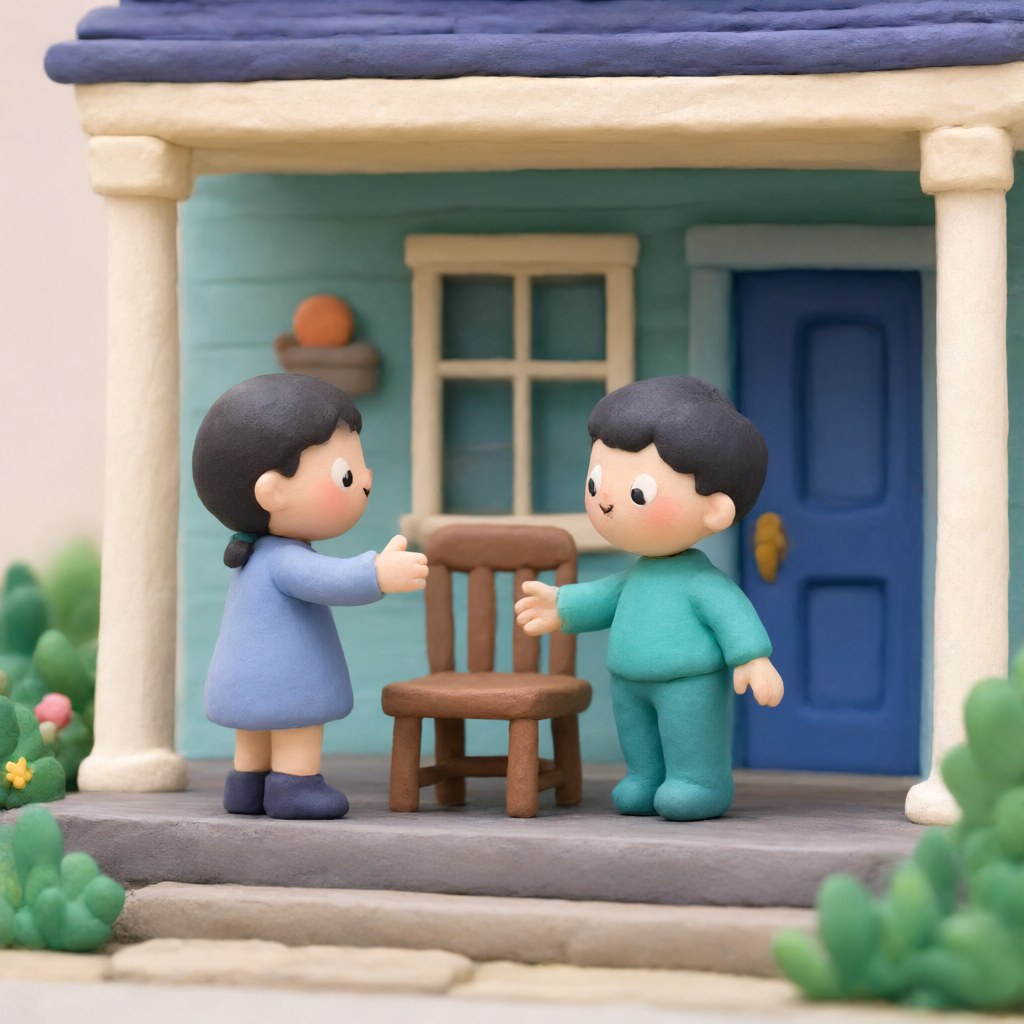
One room, two chairs, and dialogue that cuts like a knife. Consider a play in which everything happens within this same frame. A film director reads the text, is drawn to it, and then hits an obstacle: if the camera is placed in the middle of that room and records everything exactly as it is, the result is neither cinema nor theater; it is something in between that satisfies neither. Adapting a play for the screen is in practice a kind of translation, and no translation is without loss. The right question is not "What part is sacrificed?"; the right question is "What do we consciously sacrifice, and what do we build in its place?"
Stage and Sequence: Two Different Economies of Narrative
Theater deals with live presence. The spectator sits in the auditorium, hears the actor's breath, and decides for themselves whether to look at the character's trembling hands in this moment or at the clock on the wall. Cinema takes this freedom from the spectator and, in exchange, gives something the stage never can: complete control over the gaze. Through framing, depth of field, and editing, the director determines where the audience's eye goes.
From this fundamental difference, other differences arise. A play works with real time and limited space; a screenplay works with cuts, compression, and leaps. On stage, a character can speak twenty lines in succession without anyone growing tired, because the actor's live voice is itself an event. In a sequence, ten consecutive lines of dialogue usually turn into talky theater.
The Four Perennial Sacrifices of Adaptation
- Monologue and Spoken Interiority: In a play, a character speaking aloud to themselves is an accepted convention. The camera does not tolerate this convention, so the screenwriter translates it into behavior, image, or voice-over narration.
- Unity of Place and Temporal Compression: A staging that keeps the entire play in one room is often "opened up" in film; new locations are added so that the pressure of a single space is broken by visual variety.
- Minor Characters and Subplots: In Hamlet (1948), Laurence Olivier set aside Rosencrantz and Guildenstern and the Fortinbras political subplot, focusing instead on the prince's inner life. Here, omission was not laziness but a choice of subject.
- The Spectator's Freedom to Choose a Point of Focus: When everything is determined by the frame, the rhythm of pauses also falls into the director's hands; the spectator no longer has the chance to think for themselves between two lines of dialogue.
Real Examples: Where They Cut and What They Built
In Macbeth (1948), Orson Welles did not merely shorten the text; he added a new character named the Holy Father and sacrificed part of Shakespeare's poetry in favor of visual nightmare. In Amadeus (1984), Miloš Forman did almost the opposite: Peter Shaffer's play was largely conversational, but Forman opened up the opera scenes and turned music into the main narrator of the story. In Who's Afraid of Virginia Woolf?, Mike Nichols and Ernest Lehman retained fidelity to Edward Albee's text, but began the film with the couple returning from the party and entering the house, so that the outside atmosphere also exerts pressure on the inside.
Another example worth close attention is Cat on a Hot Tin Roof (1958). Tennessee Williams himself wrote the screenplay, and yet he was forced to change the ending and turn explicit references to Brick's past into innuendo and silence. He later distanced himself from the result, a sign that even the original author, when moving from stage to frame, is not the unrestricted owner of his own text.
Comparison Table: Narrative Elements on Stage and in Sequence
| Element | In a Play | In a Screenplay |
|---|---|---|
| Monologue | A direct tool for inner life | Usually translated into image, behavior, or voice-over narration |
| Place | Fixed and limited | Variable; opening up the setting is possible and common |
| Point of Focus | The spectator's choice | Imposed by the director through framing and editing |
Three Compensation Techniques in the Screenplay
- Opening Up the Scene: Adding exterior locations and wordless scenes that build tension before the character enters the main room. This technique does not merely add visual beauty; it conveys information that, in the play, was heard from the maid or the neighbor.
- Replacing a Sentence with a Sign: If a character in the play says they are fine, the screenwriter can show the same thing through their obsessive tidying of a desk. This is the same logic of subtext, simply translated into a visual tool.
- Merging Characters: Two lawyers, two neighbors, or two colleagues become one person in order to free up narrative time. A cinema audience, in ninety minutes, has roughly one-third of the time available in an evening of theater.
The Trap of Fidelity: When a Film Becomes Filmed Theater
Excessive fidelity to the text is itself an aesthetic choice, but a costly one. A film that keeps its actors in a fixed set and retains every line does not give the cinema audience what was gained in the theater: the live energy of performance. The result is a work that has neither the collective experience of the stage nor the possibilities of the image. Successful adaptations usually decide at some point not to "betray the text, but not to merely imitate it either."
In the theater, the audience chooses where to look; in cinema, this choice is taken from them. Any adaptation that ignores this difference is a play that has been filmed, not a film born from a play.
Conclusion: Sacrifice, Not Betrayal
Every cinematic adaptation of a play is forced to make an economic choice: what to keep and what to lose. Great plays are great because they have many layers; no film can fit all those layers into ninety minutes. A good screenwriter is one who does not hide this loss, but instead creates something in its place that did not exist before.
So the next time you see a film based on a beloved play and notice that a scene, a character, or a monologue is missing, before judging, ask: What has taken its place? If the answer is a fresh image, a meaningful silence, or a more precise rhythm, then that omission was not a sacrifice; it was a transformation.