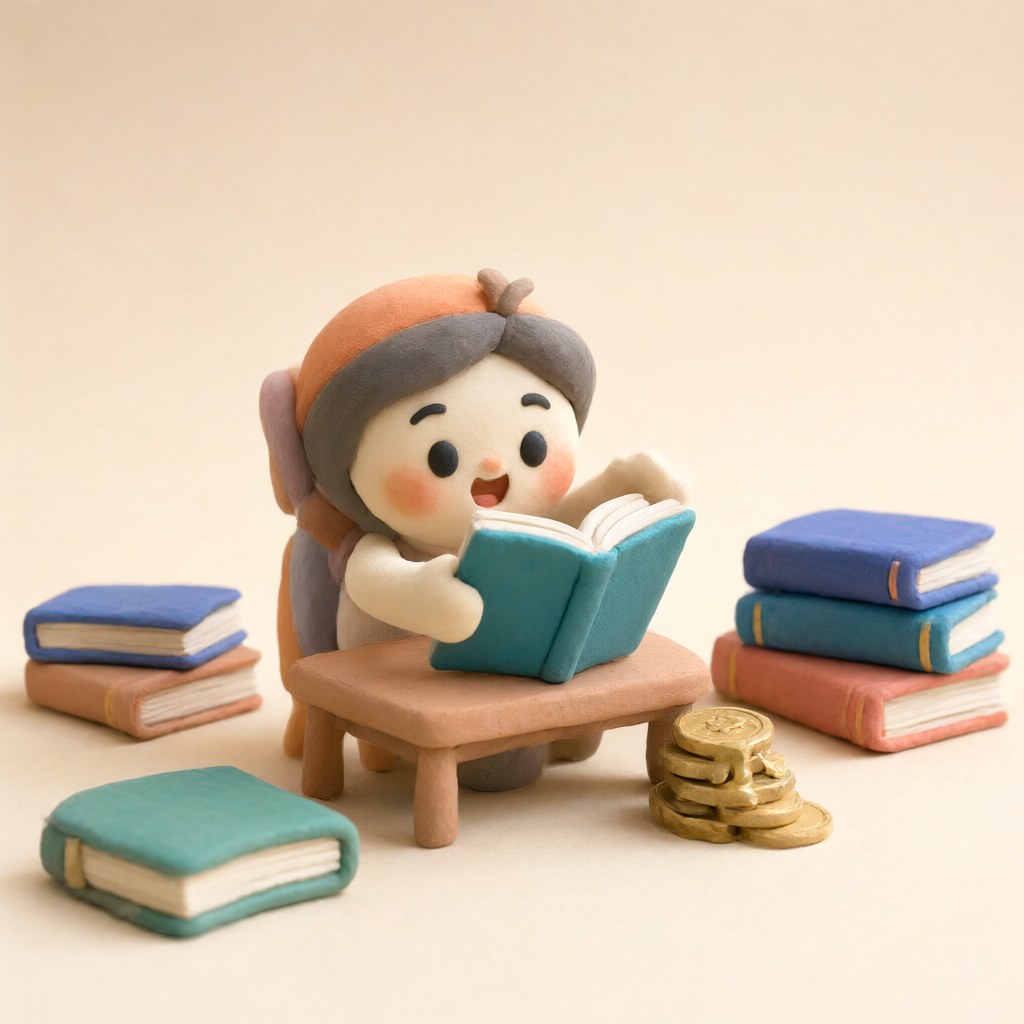
Why Some Masterpieces Mean More When You Read Them Later

At seventeen, I borrowed The Brothers Karamazov from the school library, read a hundred pages, and quietly closed it. For years I assumed the problem was me. At thirty-two, I opened the same translation and saw that the sentences were still the same sentences, but something within me had shifted that now creates meaning. The book had not changed; the reader had.
This text is not about censorship or literary strictness; it is about a small and rare decision: some books should be deliberately postponed. Deliberate postponement is part of the art of “choosing books,” not a sign of laziness or of reading too little.
Meaning is made in the space between text and life
The “reading experience” is more than decoding words. The text does only half the work; memory and the reader’s lived experience bring the other half. Hans Robert Jauss, the German theorist, coined the term “horizon of expectations” for precisely this situation: everyone enters a book with their prior experiences, and meaning takes shape in the encounter between this horizon and the world of the work.
When you read a novel about grief and have not yet lost anyone, you understand the sentences but do not feel their weight. This difference is not a difference of knowledge; it is a difference of readiness. Rather than teaching you something, the novel arranges what is scattered within you—and if that thing is not yet in you, the novel comes back empty-handed.
Masterpieces that prove costly when read too early
Some books require formal maturity and lived experience at the same time. A few clear examples:
- The Magic Mountain by Thomas Mann: a novel about time, waiting, and illness that narrates a seven-year stay in a sanatorium with a calculated rhythm. For a reader who has just entered the adult world, this slowness is tedious; for a thirty-five-year-old reader who has lived through waiting and illness, that same slowness turns into bitter irony.
- The Death of Ivan Ilyich by Tolstoy: in fewer than a hundred pages, it tells of a man whose mediocre life collapses under an illness. At twenty, death is an abstract concept; at forty, every page is a mirror.
- The Sound and the Fury by Faulkner: four narratives, stream of consciousness, and an unreliable narrator. If the reader is still grappling with the form of the modern novel, confusion takes the place of pleasure.
- The Brothers Karamazov by Dostoevsky: its questions are about freedom, evil, and the suffering of children; a teenager usually looks for story and postpones these questions.
Of course, exceptions exist. One Hundred Years of Solitude by García Márquez works at seventeen too, but at forty it says something else. Some books have one layer and some have several; the deeper layers wait for your experience.
Signs that this book is still too early for you
Before you call a book “bad,” check these signs:
- Every few pages, you look at the number of pages remaining, not at the scene.
- You divide characters into good and bad and look for the outcome more than the form.
- You read the page but form no image in your mind; it is as if you are reading a summary.
- You see abandoning the book as a sign of your own ignorance, not of bad timing.
- The summary of the book in your mind is more appealing than the book itself.
None of these is a flaw in the book; they are a sign that you and the book are simply at different points in time.
The fifty-page rule, with one condition
The common rule says that if a book has not grabbed you after fifty pages, let it go. The important condition is this: let it go with an open file. Move the book to the “Later” list and write two sentences beside it: why I set it aside and what needs to change in me before I return. This short note later becomes a reading road map.
| Book | Why it is too early | Sign of readiness |
|---|---|---|
| The Magic Mountain | Slow pacing and the themes of waiting and illness | The experience of an illness or a long wait |
| The Death of Ivan Ilyich | Death Is Not Abstract in It | Losing Someone Close |
| The Sound and the Fury | Multi-narrative structure and fractured time | An introduction to the modern novel and the unreliable narrator |
A book that tires you is not always bad; sometimes it has simply arrived at your door too early.
Do not break the reading habit; change its course
Postponement does not mean stopping. During the waiting period, read another book that matches your current readiness; doing so keeps the “reading habit” alive. A reader who abandons Anna Karenina at twenty but reads short stories that same year will return at thirty with a store of experience.
Re-reading: A Way to Reclaim Abandoned Books
Re-reading is not the only way, but it is the most effective. A book you abandoned as a teenager gives you two things when you return to it: first, a measure of the distance between you and your former self; second, the discovery of things you missed back then. This same re-reading shows that the issue was never “being a classic”—it was timing.
If a book is difficult and slow, before you label it “boring,” ask yourself whether its time has come. Postponing a masterpiece is not disrespectful to the book; it is a form of respect—for the book and for yourself.