What Is a Memory Album and Why Every Family Needs One

Truth be told, every family has a treasure trove of untold stories; but most of these stories remain imprisoned in the memories of a few people and fade silently as those people pass away. When a grandfather says, “That day it was cold and we walked,” that sentence is just a repetitive tale to his grandchild; but if the same sentence is placed alongside an old photograph, an exact date, and a paragraph of explanation, it turns into a document. The memory album is precisely the tool for turning “oral story” into “written heritage.”
What Is a Memory Album, and How Is It Different from a Photo Album?
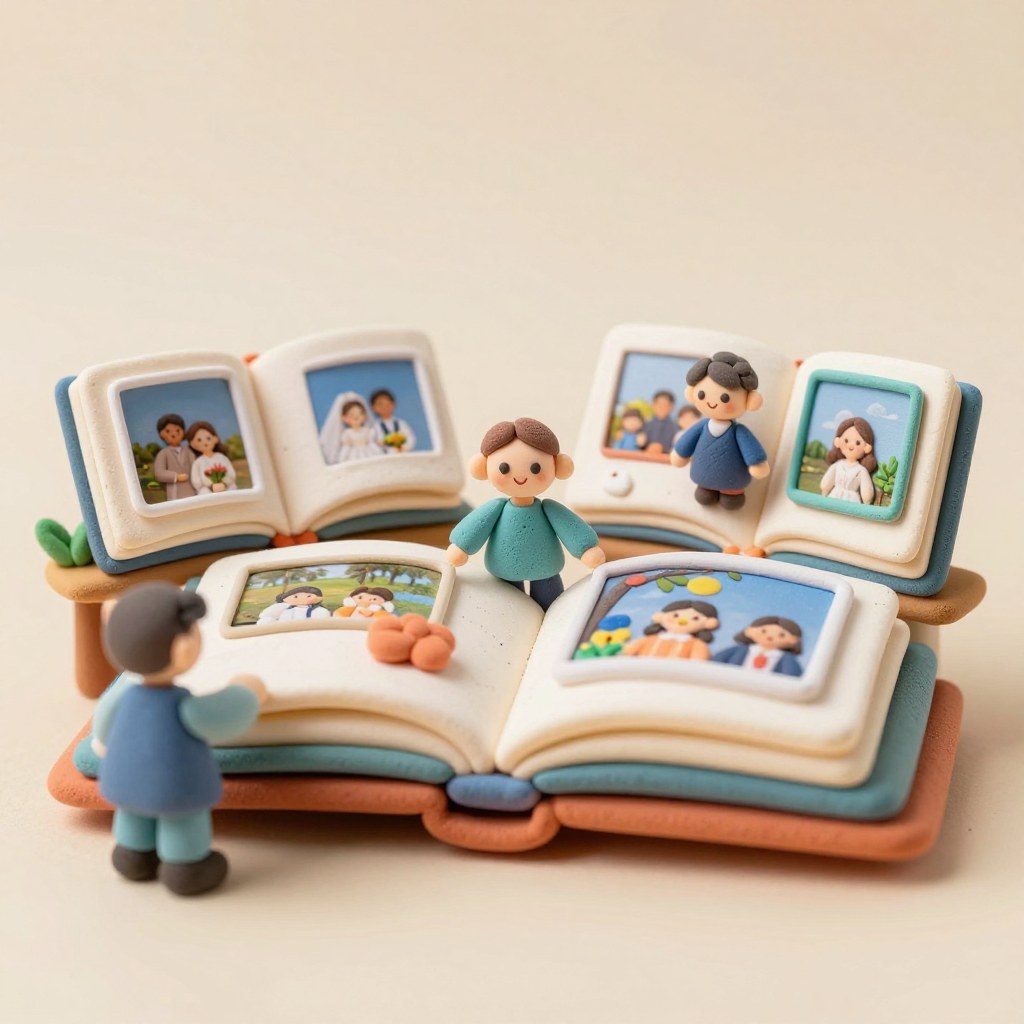
A memory album is a collection of photographs, documents, handwritten notes, and oral narratives organized around a timeline or a theme. The main difference lies in the “text.” A photograph without a narrative is like the scattered tiles of a mosaic whose final design no one has seen. A memory album places that design beside the tiles; therefore, the reader does not only see “who” is in the frame, but also understands “why that moment mattered.”
| Feature | Traditional Photo Album | Memory Album |
|---|---|---|
| Content | Image | Image, text, document, oral narrative |
| Structure | Chronological or random order | Purposeful narrative with timeline and theme |
| Audience | The album’s owner | Later generations, extended family |
| Long-term value | Personal recollection | Family historical document |
Why Is Creating a Memory Album Essential?
The necessity of this work is not only emotional; it has practical and observable reasons. First, human memory is highly selective and fragile. Research in cognitive psychology shows that recalling memories immediately after an event fixes a reconstructed version of it in the mind; that is, every time we tell a memory, we alter it slightly. Written documentation in the present preserves a version closer to reality. In “In Search of Lost Time,” Marcel Proust shows that a memory emerges from the depths of the mind only through a sensory trigger—the smell of a madeleine in tea—but such a spark is not at our disposal. What is at our disposal is conscious documentation.
The second reason is intergenerational transmission. A grandchild who does not know the family name, the city of origin, the grandfather’s occupation, and the story of the family’s migration has lost part of their identity. The memory album fills this gap and gives the child a sense of belonging—that they are rooted somewhere.
In “Man’s Search for Meaning,” Viktor Frankl writes that finding meaning in suffering depends on making it narratable; the narrative a family builds about itself serves exactly this function.
Third is the therapeutic dimension. Organizing memories, especially in the face of loss, gives shape to grief. A family that creates an album for a loved one after losing them is, in fact, transforming memory from a “wound” into a “memorial.”
How Is a Memory Album Different from a Memoir?
A memoir (autobiography or memoir) is usually text-centered and has a single narrator, whereas a memory album is polyphonic. Interviews with several family members, old letters, cinema tickets, a handwritten version of a poem—all give different voices to the text. In “Moments of Being,” Virginia Woolf defends recording those everyday “insignificant moments”; a memory album also builds credibility from these small moments, not from grand events.
How Do We Create a Family Memory Album?
- Define the thematic boundary. Choose a time period (for example, 1350 to 1365), a place, or a person as the focus so the work does not become scattered.
- Do the raw collection. Gather photographs from scattered albums, mobile phones, and old boxes into one folder and give each photo a number.
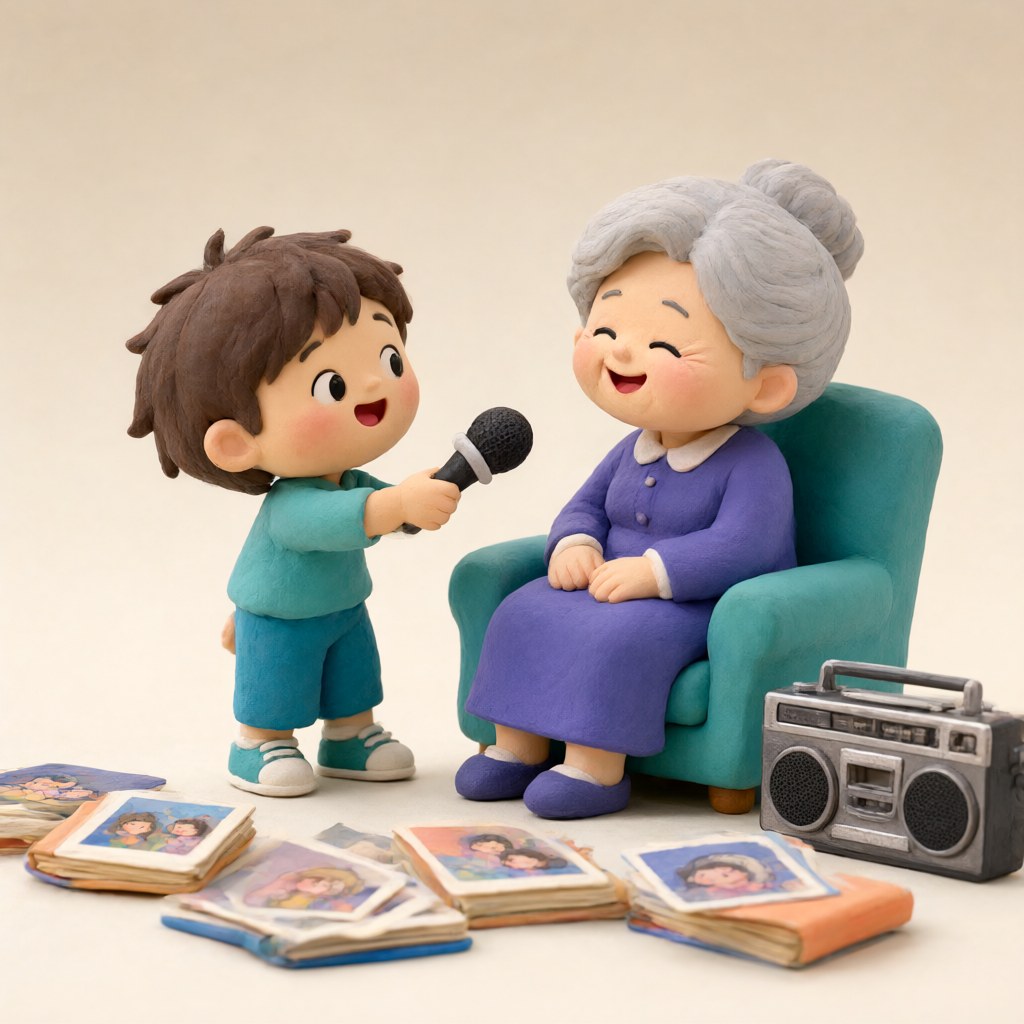
- Conduct short interviews. Instead of asking general questions like “Tell me,” use prompting questions: “What did you eat that morning?” or “Who was beside you?”
- Pair each photo with a short caption. Include people’s names, the date, the place, and one sensory detail—for example, the smell of the kitchen or the sound of the radio.
- Build a timeline. Chronological order helps the reader understand the relationships between people and events.
- Do a final edit and binding. Read the text aloud once; rewrite any sentence that sounds conversational but is unclear on the page.
How do we know we’ve made a good album?
The test is simple: even someone who knows none of the people in the photos should be able to follow the story by reading the text. A good album avoids “we all know that...” Oral history organizations also emphasize the same principle: recording the narrator’s voice alongside the text is just as valuable as the photo itself.
Conclusion
Creating a memory album seems like a big project, but in practice it is a series of small steps: gathering, asking, writing, and organizing. What makes preserving family memories possible is not expensive equipment or writing talent; it is consistency and care. The next generation will inherit nothing from our memory unless we record it in a readable form—and today, it is still time to do that work.