10 Memory Album Ideas for Weddings, Birthdays, Travel & Childhood

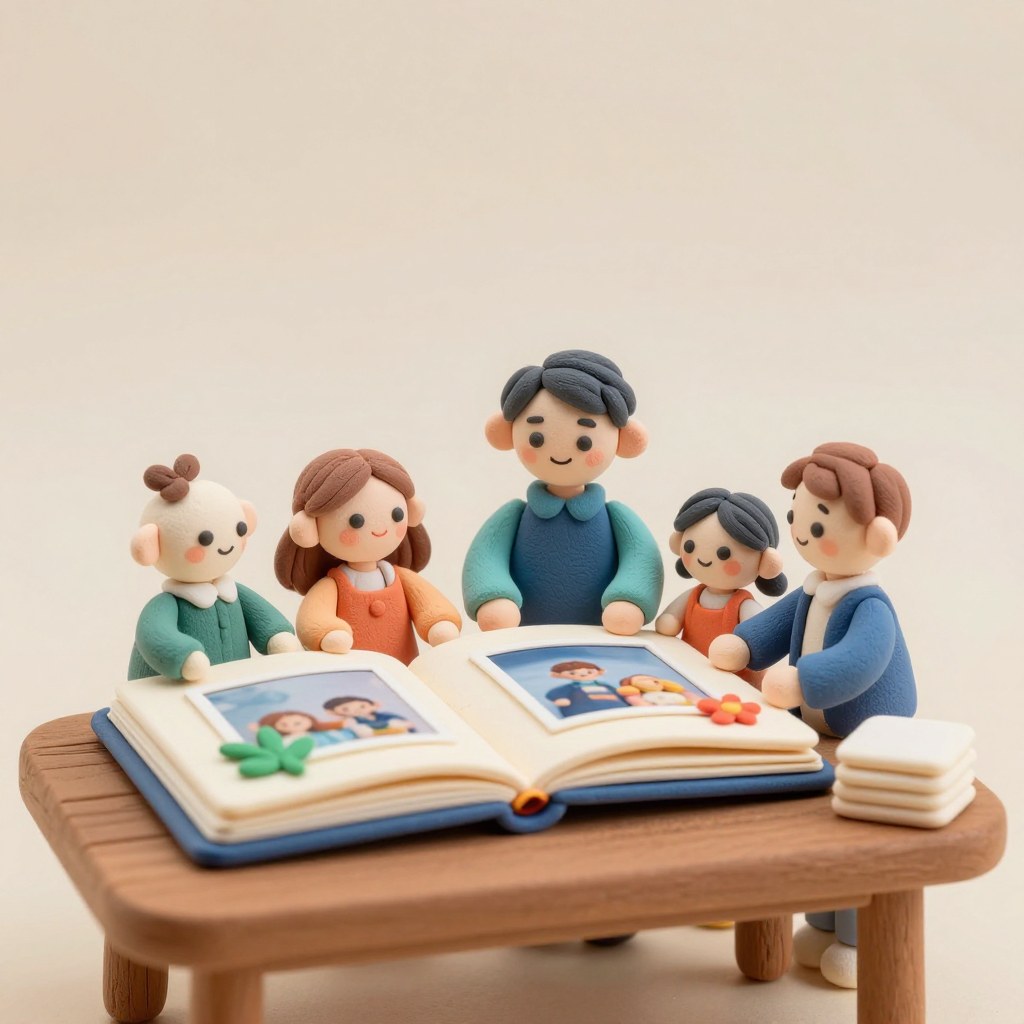
In truth, every memory album begins with a simple decision: what do I keep and what do I let go? It is this small choice that makes the difference—between a readable printed album and a pile of repetitive photos. Below are ten practical ideas for four recurring occasions—wedding, baby, travel, and childhood memories—each with a clear “theme” and able to be started without special equipment.
A Memory Album Is a Narrative, Not a Photo Dump
Before the ideas, one principle: an album sits somewhere between an archive and a book. In “Camera Lucida,” Roland Barthes uses the term “punctum” for that unintended detail that bursts out of the frame: a hand left half in the frame, a shoe whose mate is missing. “Perfect” photos usually carry little memory; incomplete ones carry more.
Sequence matters just as much. In “The Americans” (1958), Robert Frank arranged frames side by side to create meaning that existed in no single photograph. Edward Steichen did the same with the family photograph in the exhibition “The Family of Man” (1955). For practice, look at Annie Ernaux’s “The Uses of Photography,” where the image becomes an excuse for conversation, not a document of proof.
Three Ideas for a Wedding Album
- A One-Day Timeline Album. Instead of arranging photos by beauty, arrange them by time of day: 6 a.m. getting ready, 9 a.m. walking down the aisle, 2 p.m. behind-the-scenes exhaustion. This structure creates its own tension.
- An Album of Objects and Details. Give half the pages to things that are usually thrown away: the invitation, a place card, the wilted flower on the table. A close-up of the ring beside guests’ handwriting is more telling than ten formal portraits.
- A Two-Voice Album. Create two sections; in each, one person’s photos with their own handwritten notes. The moment these two narratives meet is the album’s climax.
Three Ideas for a Baby Album
- A Fixed Toy as a Growth Scale. Photograph the child each month with the same doll or chair. The changing ratio between child and object shows growth without writing a single number.
- The “Ordinary Day” Album. One day a year, from morning to night, take twelve photos: breakfast, the route to daycare, bath, sleep. After ten years, these albums become a family record.
- The Sound of Home, Beside the Image. Write down the child’s unfinished sentences exactly as they were said; “Juice… no, juice with a straw.” Preserving the mistakes instead of correcting them saves the album’s tone.
Two Ideas for a Travel Album
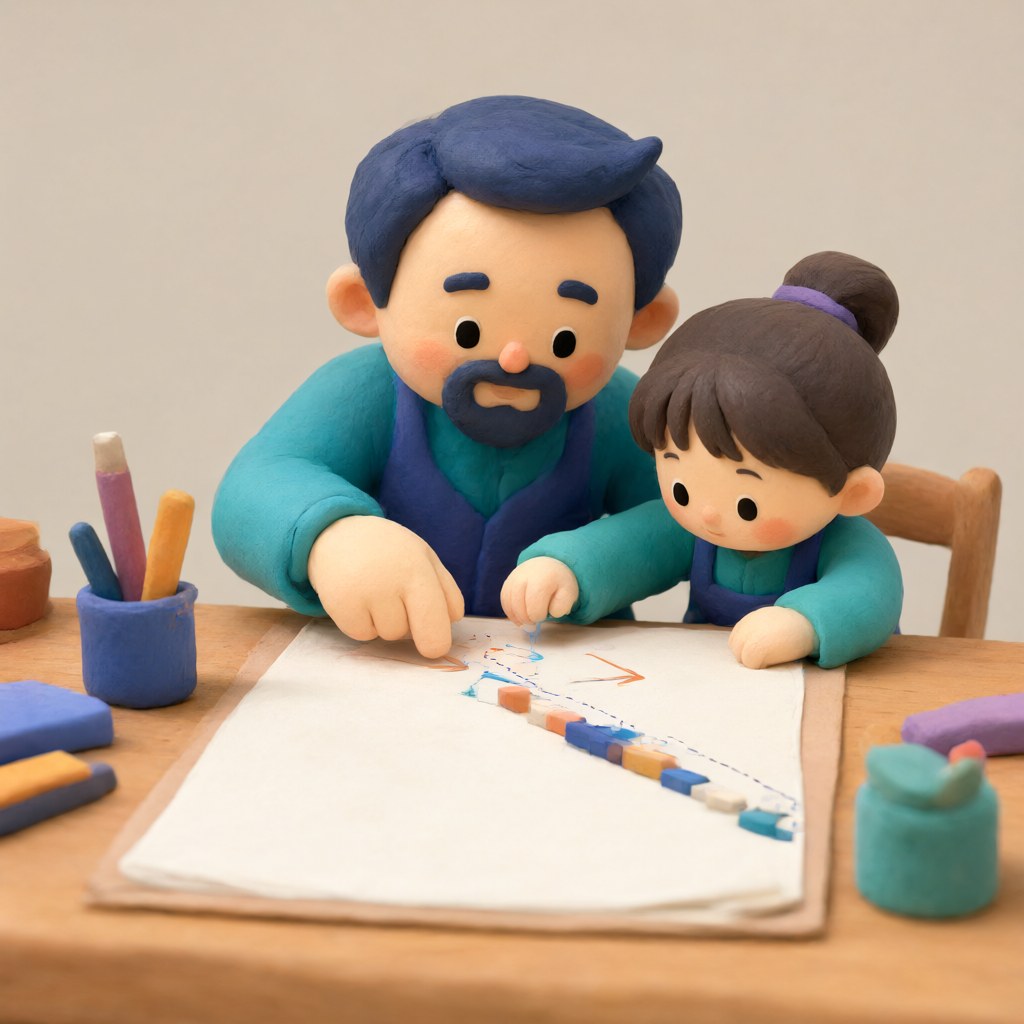
- A Map-Based Album. Each city or each leg of the journey gets its own page. Scan the hand-drawn route map and place only one photo on that page; short text creates the rest of the memory.
- The Suitcase Album. Tickets, parking receipts, postcards, a dried leaf. Together, these objects are more honest than tourist photos and pull the album out of cliché.
Two Ideas for Childhood Memories
- The “Then and Now” Album. The same frame, the same person, twenty years later. Henri Cartier-Bresson emphasized the “decisive moment,” but in recreating a frame, the subject is no longer the moment; it is the passage of time.
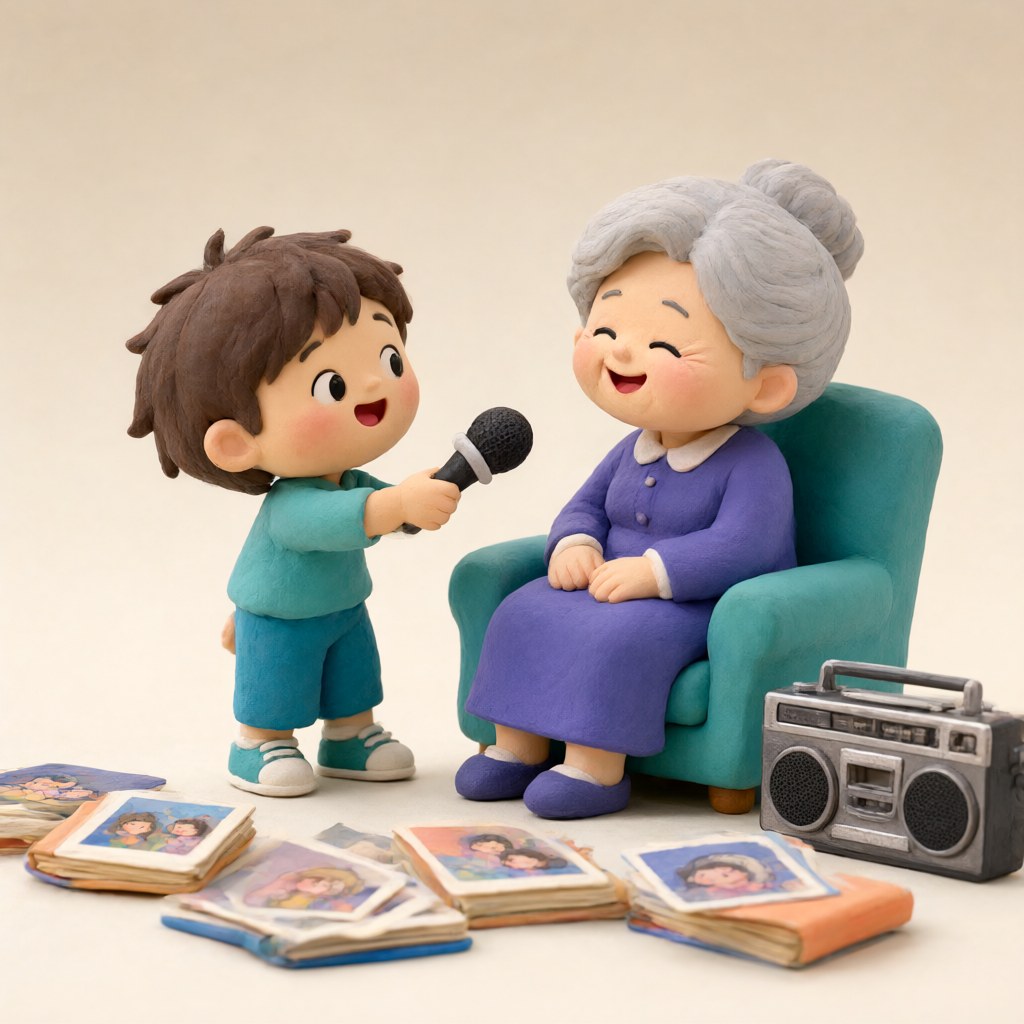
- A Multigenerational Album with Interviews. Sit down with a grandfather or grandmother, place old photos on the table, and record audio; then print the transcribed text beside those same photos. Here the album becomes an oral document.
How to Translate Each Album’s Theme into Layout?
| Album Type | Visual Theme | Page Rhythm | Practical Note |
|---|---|---|---|
| Wedding | Balanced and formal, serif font | One large portrait, then two pages of details | On each spread, only one “hero” photo |
| Baby | Bright and colorful, lots of white space | One photo per page, a handwritten note beside it | Don’t remove the fixed objects; they are the scale |
| Travel | Earthy and paper-like, combining ticket scans with photos | A dedicated page for each stage | At most three thematically related photos on one page |
| Childhood memories | Minimal coloring, wide margins for text | An old photo alongside interview text | Write dates and names on that same page |
Text in an album should not explain the photo; it should say something that is not in the frame: a smell, a sound, and a sentence someone said that day.
Four editing rules can also help you before printing:
- From every hundred photos, select twenty and then remove five more.
- Create pages with only one photo; space is a rest for the eyes.
- Change the order of the photos twice; the second time usually changes the final page.
- Lay the album out on the floor and look at it from two meters away.
Conclusion: Start with One Photo
The ten ideas above have one thing in common: none of them begin with “collecting all the photos.” Instead, they begin by choosing an anchor image—a photo around which the rest of the pages gain meaning. If you take one of these ideas today and simply arrange ten photos together, your first album draft is ready. Final quality depends less on equipment than on these simple drafts and how they compare with one another.