Suspense vs Surprise: Hitchcock's Bomb Under the Table

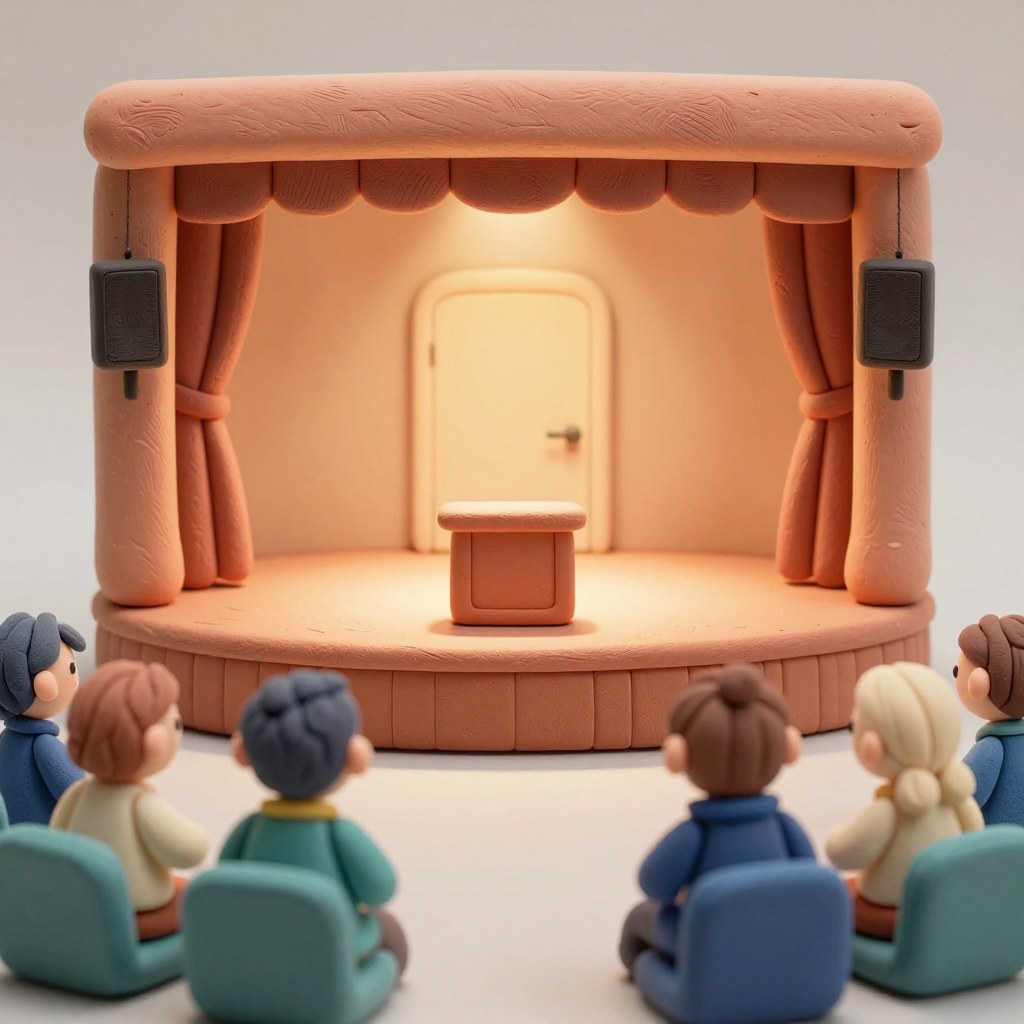
Alfred Hitchcock once explained, in a famous conversation, a rule that remains a classic lesson: two people are sitting at a table having an ordinary conversation. Suddenly, boom! A bomb explodes. The audience is startled—but only for a moment.
Now picture the same scene with one difference: before the audience sits down, the camera reveals a bomb under the table and shows the clock ticking. That same ordinary conversation now generates ten minutes of suspense. The dull small talk becomes a powder keg.
"In the first case, we have ten seconds of shock; in the second, ten minutes of suspense."
Suspense vs. Surprise
| Surprise | Suspense | |
|---|---|---|
| Reader's information | Less than the character | More than the character |
| Duration of effect | Brief, momentary | Extended, sustained |
| Tool | Revelation, sudden jolt | Anticipation, dread, hope |
| Cost | Loses impact with repetition | Endures through familiarity |
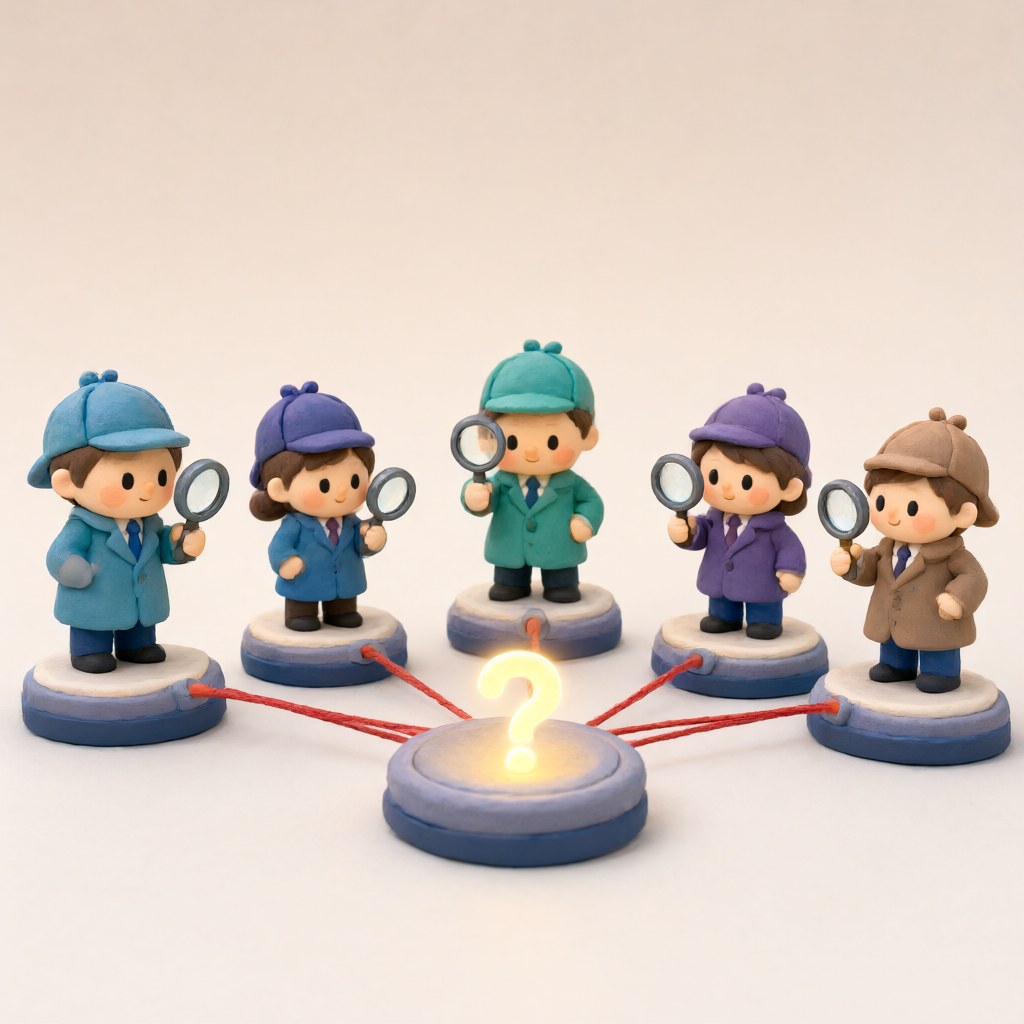
How does suspense differ from a mystery?
- Mystery: The reader knows less than the detective and asks "whodunit."
- Suspense: The reader is in the loop and asks "when / how." More empathy, more fear.
Note: combining both is the strongest mode—the reader knows danger exists and doesn't know where it's coming from.
Five Techniques for Building Tension
1) The Ticking Clock
Impose a time limit: until sunset, until the meeting, until the end of the chapter. A ticking clock makes even ordinary conversations tense.
2) Uneven Information (Dramatic Irony)
Give the reader something the character doesn't know. Every time the character gets close, the audience holds its breath: "Don't go that way!"—the audience's best position: being a partner to the secret.
3) Suspense at the Smallest Scale
Tension isn't only in chase scenes: it's in honesty, in a half-open door, in a limited bowl of water. Small scenes with fine detail create everyday suspense.
4) Deliberate Delay
A weak writer delays the answer because they don't know it. A skilled writer slows down on purpose—but in the gap of delay, adds something new. Empty delay drives the reader away.
5) Returning with Consequence
Every time the hero gets closer to the goal, they must fall half a step back or lose a piece. Suspense is, in fact, "repeated disruption of balance."
Three Common Mistakes in Writing Suspense
- Revealing too soon: If the reader knows everything, there's neither suspense nor surprise—only empty waiting.
- A promise unfulfilled: Creating a threat and ending it with no consequence—what in literature is known as "fireworks with no bang."
- A risk-free hero: If the hero can't fail or lose anything, there's no tension.
Suspense is information the writer distributes between the reader and the character.