Psychological Horror vs. Body Horror: Two Kinds of Fear

The Fear That Comes from the Body, the Fear That Comes from the Mind
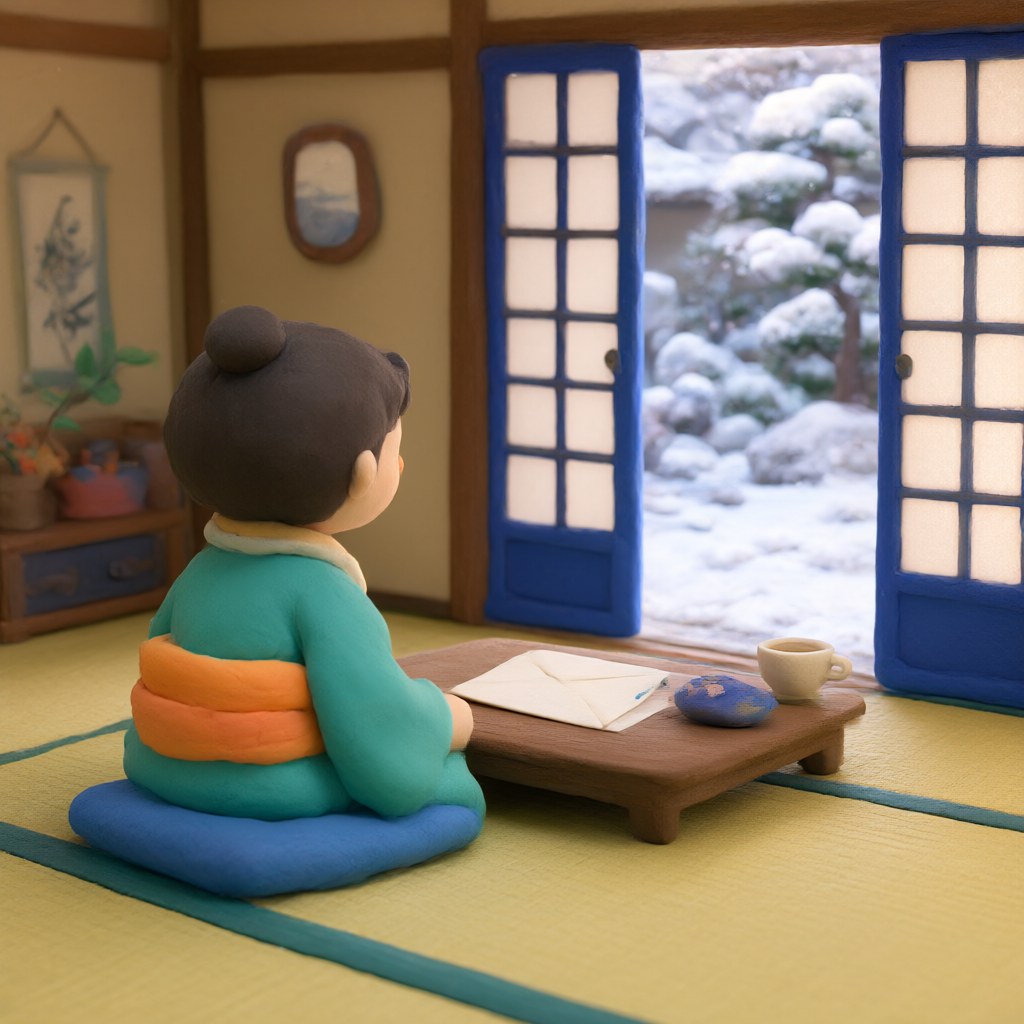
Honestly, when we talk about the horror genre, two different images often take shape in the mind. In one, the door of an old house is half-open and the wind stirs the curtain; no one enters, yet the narrator is certain that something has changed. In the other, that same door is torn from its frame with the sound of something breaking, and blood splatters across the wall. Both scenes are frightening, but they arrive at fear by two completely different paths. Psychological horror attacks the mind, memory, and perception; blood-and-guts horror (sometimes known in contemporary criticism by labels such as slasher or splatterpunk) attacks the body and instinct.
This division seems simple, but in practice the boundaries are slippery. Many works use both tools, and it is that very combination that has made them enduring. The aim of this article is not to make a value judgment between the two branches, but to understand the mechanisms of fear: what each gives the reader and what its price is.
Psychological Horror: The Invisible Threat
The roots of psychological horror can be traced to eighteenth-century Gothic literature, but its modern form was established by figures such as Edgar Allan Poe and, later, Henry James. In James's "The Turn of the Screw," the story's most critical question is not whether the ghosts are real; it is whether the narrator is sane. The entire fear is born from a perceptual gap: is something there or not?
The main characteristic of this branch is directing fear toward something the reader does not see. In "The Haunting of Hill House," Shirley Jackson never tells us that the house is truly haunted; the audience remains suspended, along with the narrator, between two interpretations. It is this suspension that turns fear from a moment into an extended experience.
Common Techniques in This Branch
- Unreliable narrator: The reader is forced to choose between narration and reality, and that very choice is the source of psychological pressure.
- Structural ambiguity: The author withholds the final answer; a novel such as Hemingway's "The Gears" shows how powerful leaving things unanswered can be.
- Fear of meaninglessness: The danger is not external; it is the collapse of identity or memory. In Robert Bloch's "The Quiet Alice," the mind's play with reality is precisely what frightens.
- Extended threshold: Before the explosion, a long, drawn-out calm arrives, and fear accumulates in the silence.
The result of this approach is that the fear continues even after the book ends. When the reader closes the book, they describe it as "a scary book," but they cannot say exactly what frightened them.
Blood-and-Guts Horror: The Threat Facing the Reader
At the opposite pole, physical horror attacks instinct directly. This branch has its own conventions: the threat is present, the boundaries of the body are broken, and blood and wounds take their place on the scene. We see classic examples of this approach in the work of figures such as Clive Barker, who in "The Books of Blood" transfers horror from the mind to the skin, or in the tradition of splatterpunk stories, in which bodily description itself becomes the effect, as in the works of Poppy Z. Brite, which temporarily dissolve the boundary between human and body.
This branch is not worthless; it is a common mistake to consider it superficial. Physical horror is often an instrument of moral measurement: by showing injury, the author makes the cost of rage, revenge, and power tangible. This is the secret of the enduring power of works such as Mary Shelley's "Frankenstein": the moral conflict, not merely the monster's appearance.
Fear in blood-and-guts horror is immediate and perceptual; in psychological horror, it is gradual and interpretive. The former makes the body tremble; the latter does not let it go in the first days after reading.
Structural Comparison: Which Tool for Which Purpose
| Feature | Psychological Horror | Blood-and-Guts Horror |
|---|---|---|
| Primary source of fear | Mind, memory, perception | Body, injury, physical death |
| Role of ambiguity | Constructive and essential | Usually limited and instrumental |
| Rhythm | Slow, gradual, escalating | Wave-like, scene-driven, jolting |
| Staying power after the book | High and internal | Short-lived but intense |
| Notable example | The Turn of the Screw, The Haunting of Hill House | Books of Blood, works in the slasher tradition |
The important point is that neither column “wins.” The writer must first know what experience they want from the audience: physical horror grabs the audience in the moment; psychological horror keeps them awake in bed hours later.
Combining the Two Schools: The Professional Path
Many horror masterpieces are built along the border between these two branches. Stephen King is a clear example: The Shining advances through psychological pressure and isolation, but the physical scenes at the end bring that pent-up fear to release. In Mine, by Hugo and King, perceptual chiaroscuro and physical horror are also interwoven.
Three Practical Principles for Writers
- First build the psychological arc, then place the physical scene at the climax; blood is ineffective before the reader is emotionally ready.
- Accompany every bodily description with doubt or a question; separating the wound from the story’s fabric turns it into an empty spectacle.
- Leave a small ambiguity at the end. It is that unresolved remainder that turns the work from a passing memory into a mental obsession.
Writers who learn this balance usually avoid two traps: suppressing shocking scenes for no reason, which makes the work dry, and using blood without context, which makes it cheap.
Conclusion: Fear as a Tool, Not a Goal
Psychological horror and visceral horror are two poles of a spectrum, not two rival camps. The former relies on analysis, suspense, and ambiguity and tunnels into the reader’s mind; the latter uses the body, instinct, and the moment. Each has its own limitations: psychological fear may be slow and slow to register, and physical fear can lose its effect after a few repeated scenes. The writer’s intelligence lies precisely in choosing where each tool belongs: in knowing when to distance oneself from Poe and when to borrow from Barker.
If you dream of writing a horror story and want to build structure and tone without losing your personal atmosphere, Nevispar (nevispar.ir) can help you generate a draft and edit structurally. To compare more examples and study genre intertexts, visit the Nevispar Blog.