Three-Act Structure and Story Arc: The Map Behind Every Successful Novel

Structure isn't a straitjacket; it's a suspense map. If the reader knows exactly what's going to happen, they won't keep reading. The three-act structure does this with the tool of "plot points": each one changes the equation.
Three Acts, Three Questions
| Act | Approximate Share | Function | Reader's Question |
|---|---|---|---|
| One: Setup | 25% | World, character, desire | "So? What does he want?" |
| Two: Complication | 50% | Relentless obstacles, rising costs | "What does he do now?" |
| Three: Resolution | 25% | Action, climax, outcome | "How does it end?" |
Four Key Points
- Inciting incident: an event that shatters ordinary life (a letter, a stranger's arrival, news of an illness).
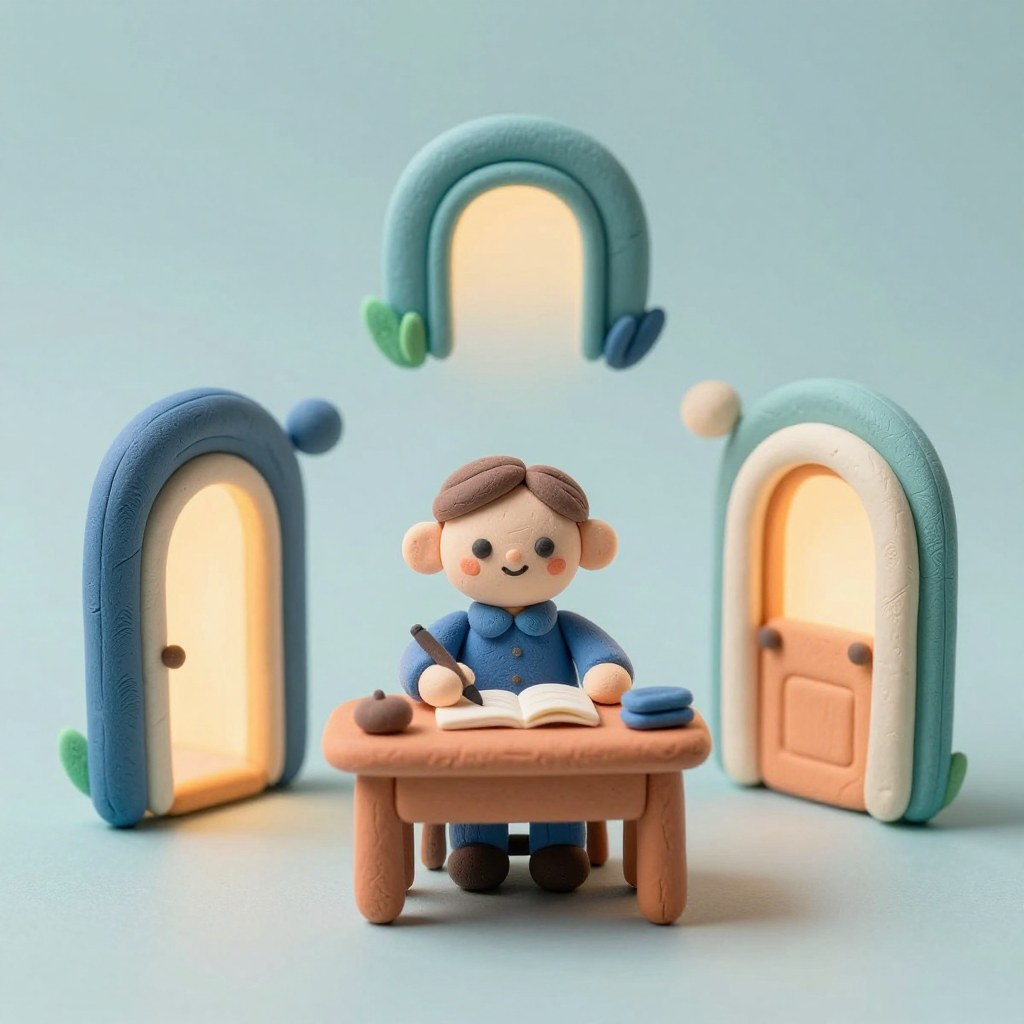
- First plot point (~25%): the entrance door closes; the character decides to step through, and the way back narrows.
- Midpoint (~50%): the character is no longer the person from the beginning; costs have risen and the apparent goal has deepened.
- Second plot point (~75%): a heavy blow or a revelation that drives the story toward the climax.
Story Arc on Top of Structure
Structure is the skeleton; the arc is its life. Three questions for drawing the arc:
- What false belief does the protagonist hold at the start?
- What forces him to question that belief?
- By the end, what does he do that he couldn't have done at the beginning?
Honestly, if the answer to the third question is "nothing," your story is an "event," not a "transformation."
Three Common Mistakes
1) A flabby second act: a string of neutral scenes. The cure: every scene must either make the goal harder or deliver new information.
2) A late climax: reaching the resolution at 90% and then cramming everything into two pages. The cure: from 75% onward, move toward the climax.
3) An overlong denouement: after the climax, finish quickly. The third act needs just enough to grasp the outcome, no more.
Breaking Structure Deliberately
Stream-of-consciousness novels, polyphonic novels, and postmodern works break structure — but with a substitute: a pattern of time, parallel voices, or internal rules. Before breaking it, be sure to practice the classic version through once in full.
Structure isn't the enemy of creativity; it's the reader's friend.