Writing Software After AI: What Actually Changed

To put the change in one sentence: writing software before AI held the text; the new generation generates it. That seemingly simple shift moved the whole map of tools — and even the writer's role.
From holding text to generating text
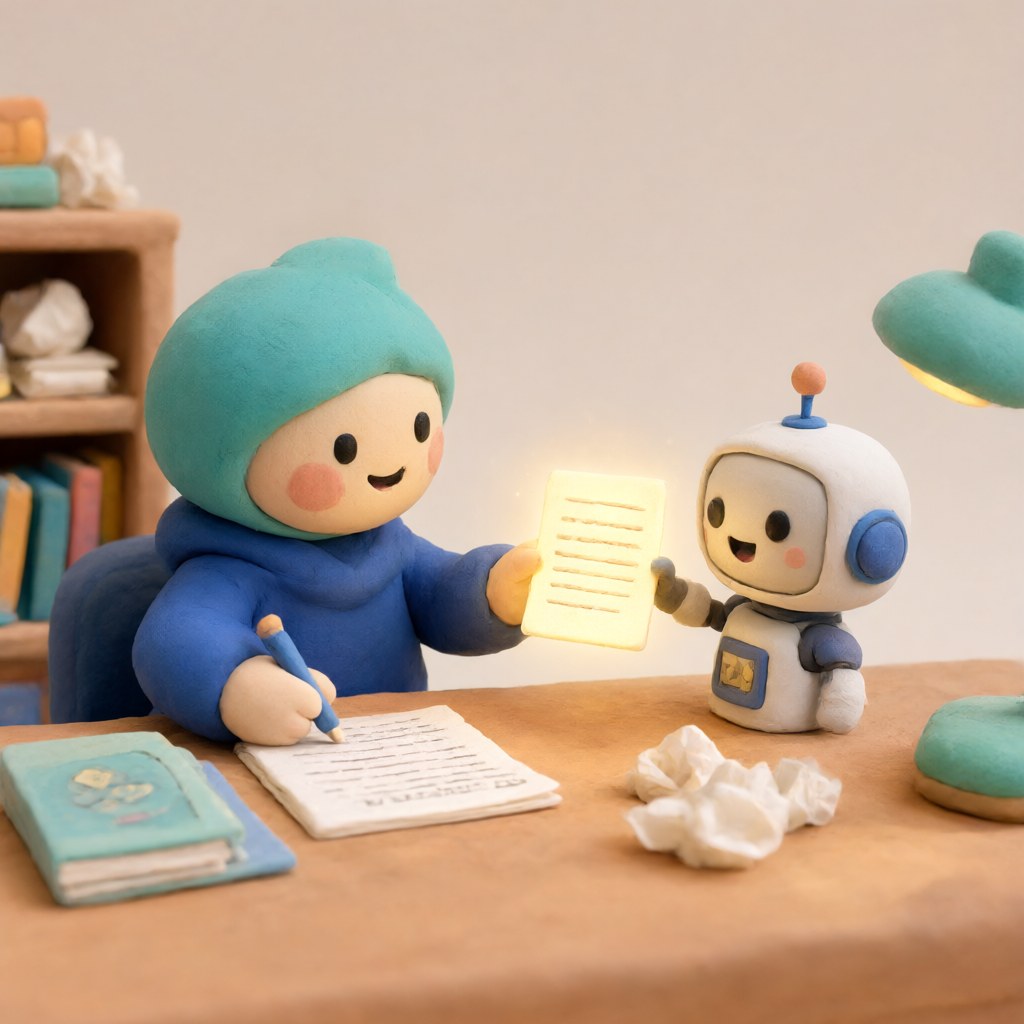
The classic tool waited for you to type, then helped you organise. The new generation is a partner in production from the start: it builds the outline, produces the draft, and moves the text in the direction you want. As a result, the writer's starting point is no longer the blank page; it is reviewing a draft.
Three new layers
- Generation: a first draft is built from an idea or an outline.
- Memory: the brief, characters and rules of the story world are held across the project to preserve coherence.
- Integration: the text is converted automatically into final output (PDF, Word, EPUB).
The old generation and the new, side by side
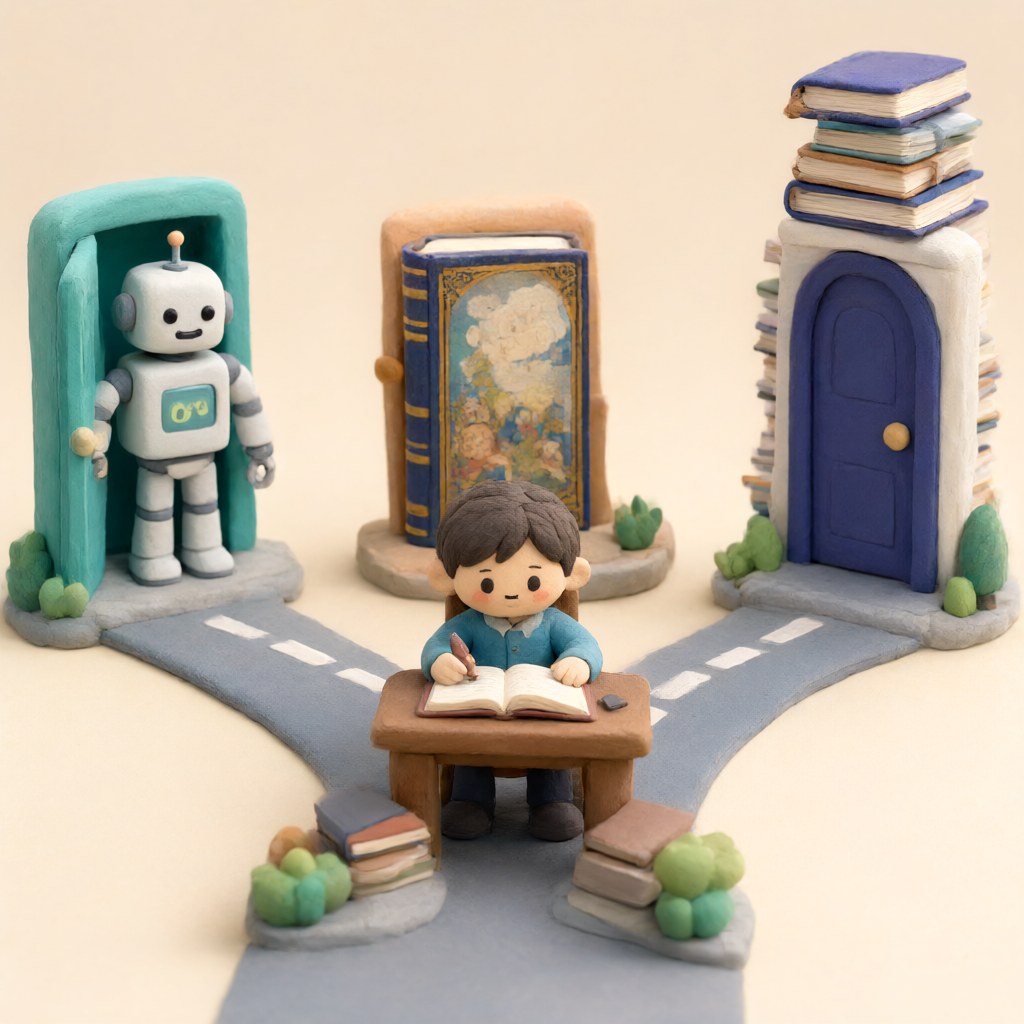
The classic tools were not removed; their role changed. Human editing — exactly where those precise applications are needed — is now the last and most important link in the chain.
| Stage | Classic tool | AI's role |
|---|---|---|
| Outline and structure | Corkboard, chapter cards | Suggesting structure and fresh angles |
| Drafting | The writer alone | Section-by-section generation |
| Story memory | Manual character cards | Automatic holding of the brief and rules |
| Editing | Word and a human editor | Suggesting alternatives — human decides |
| Output | Manual formatting | Automatic Word, PDF and EPUB |
The risks of this shift
- Monotonous voice: unedited generated text becomes dull by chapter five.
- Illusion of fact: a model may invent statistics or sources; every number needs independent confirmation.
- Authenticity and ownership: the work's voice must come from human editing, not from the raw model output.
Nevispar: an example of the new generation
One clear example of this generation is Nevispar. Here all three layers sit in one workflow: the book outline and brief are built and reviewed before generation, production proceeds section by section, and the result is print-ready output. Unlike scattered chatbots that forget the project, here the project structure is central — the very thing Scrivener began, now with a generation layer beside it.
The new generation of writing software does not take the writer's place; it moves the writer from drafting to editing — and that shift changes everything.